
Private Voice Cloning
Voice cloning on Voice Art creates a private model from audio you own or have permission to use. Confirm consent, then generate new lines from the same browser workspace.
Account based · Consent first · Private models · Export ready
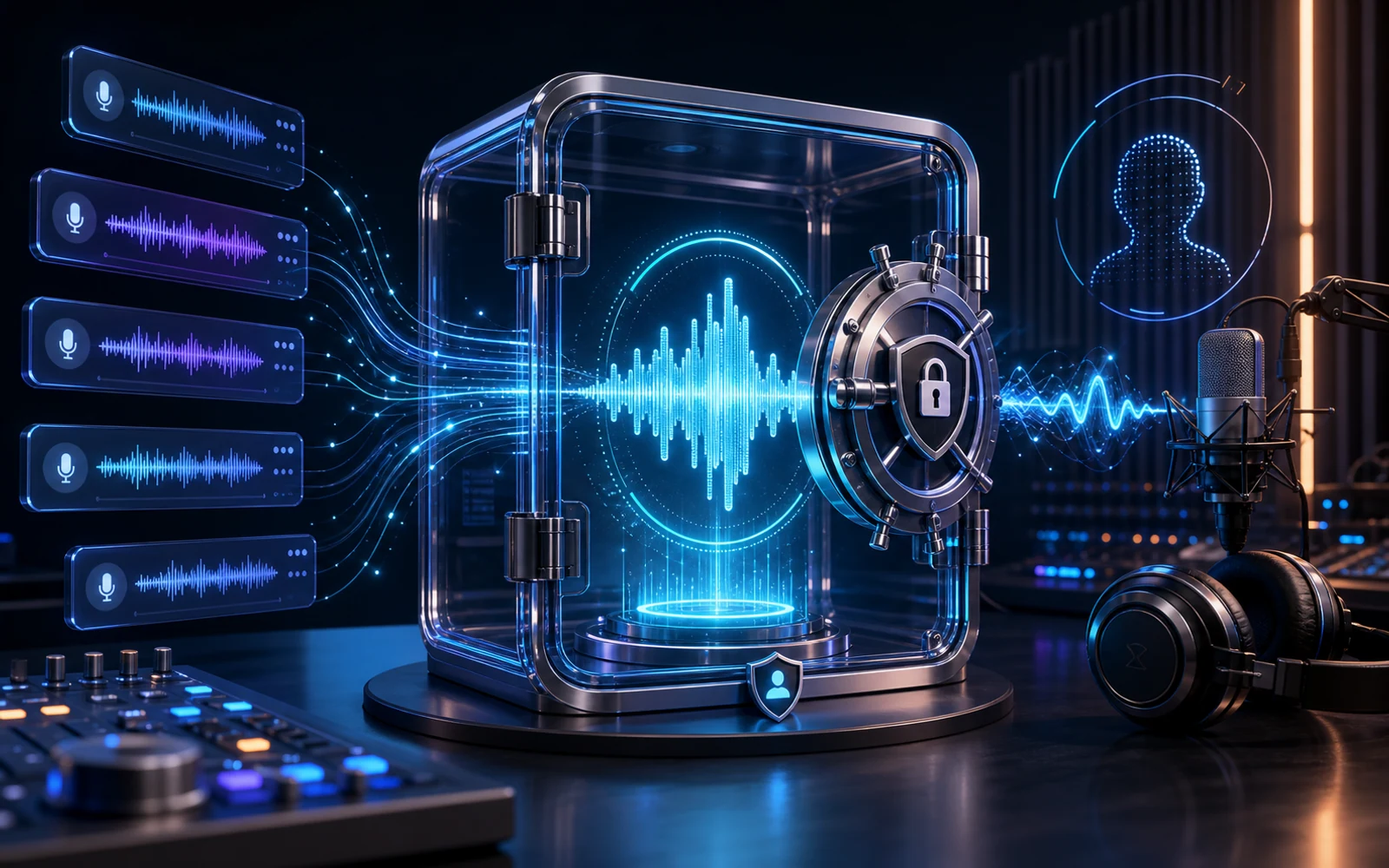
- Suggested reference length for a cleaner clone
- 10-60s
- Quality modes covering drafts and polished output
- 2
- Language groups your cloned voice can speak
- 4
- Export format for approved cloned-voice takes
- MP3
What Voice Cloning Means Here
Voice cloning uses a reference recording to create a model that can speak new text in the same voice. On Voice Art, that model is private and available only through the account that created it.
A clean sample gives the model a useful reference for tone and pronunciation. Before creation begins, you must confirm that the voice is yours or that you have explicit permission to clone it.
Model creation cannot start until the permission checkbox is confirmed. This makes the right-to-use decision part of the actual cloning path instead of a note hidden after upload.
Once the model exists, you can write fresh scripts, render cloned-voice takes, compare the delivery, export approved audio, and keep the model private inside your Voice Art account.
If a project does not require a private model, start with text to speech and audition public voices first.
Walk Through the Voice Cloning Workflow
Source audio, consent, model creation, and rendered takes all stay in one account-based production space on Voice Art.
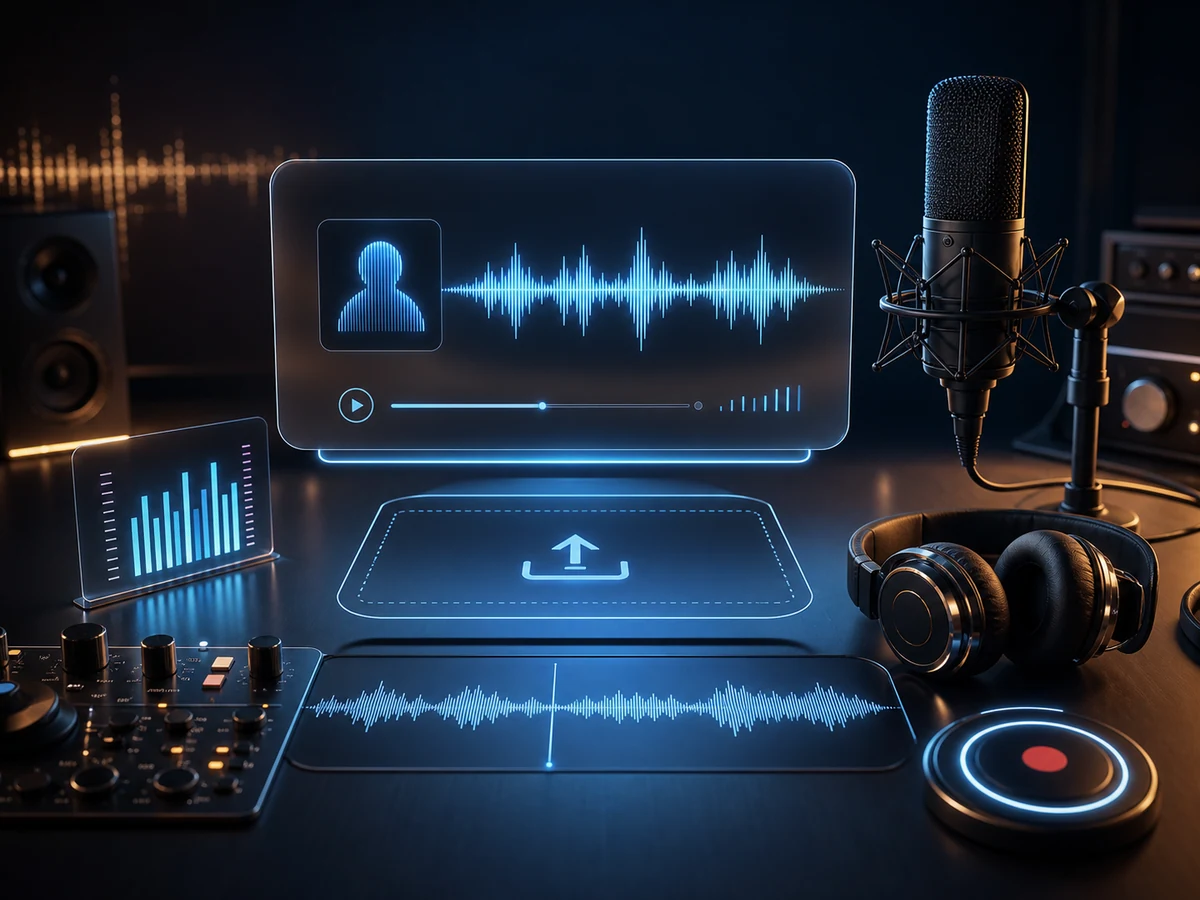
Add a reference voice
Choose an MP3, WAV, or M4A file, or record in the browser, then let the workspace validate the reference before continuing.
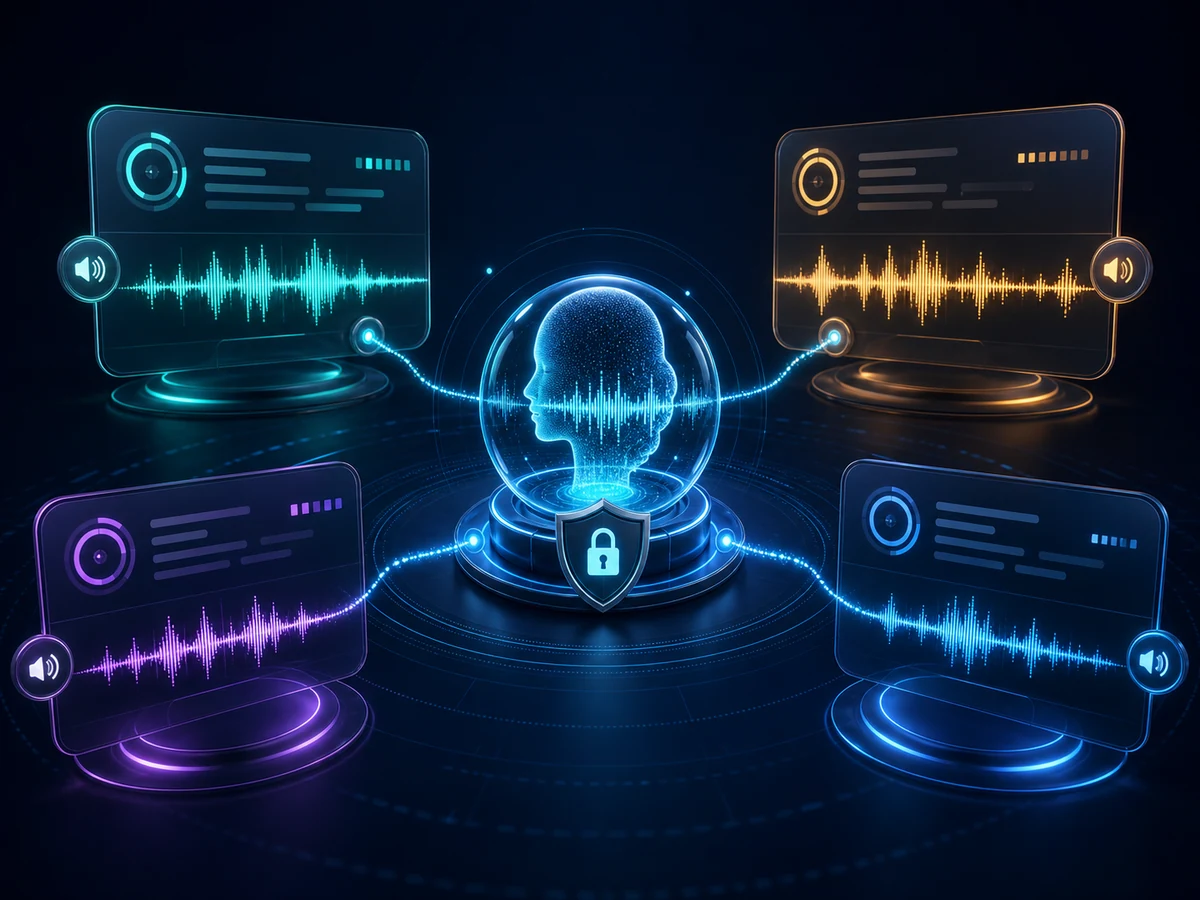
Verify voice permission
Verify permission for the voice before Voice Art builds the private model.
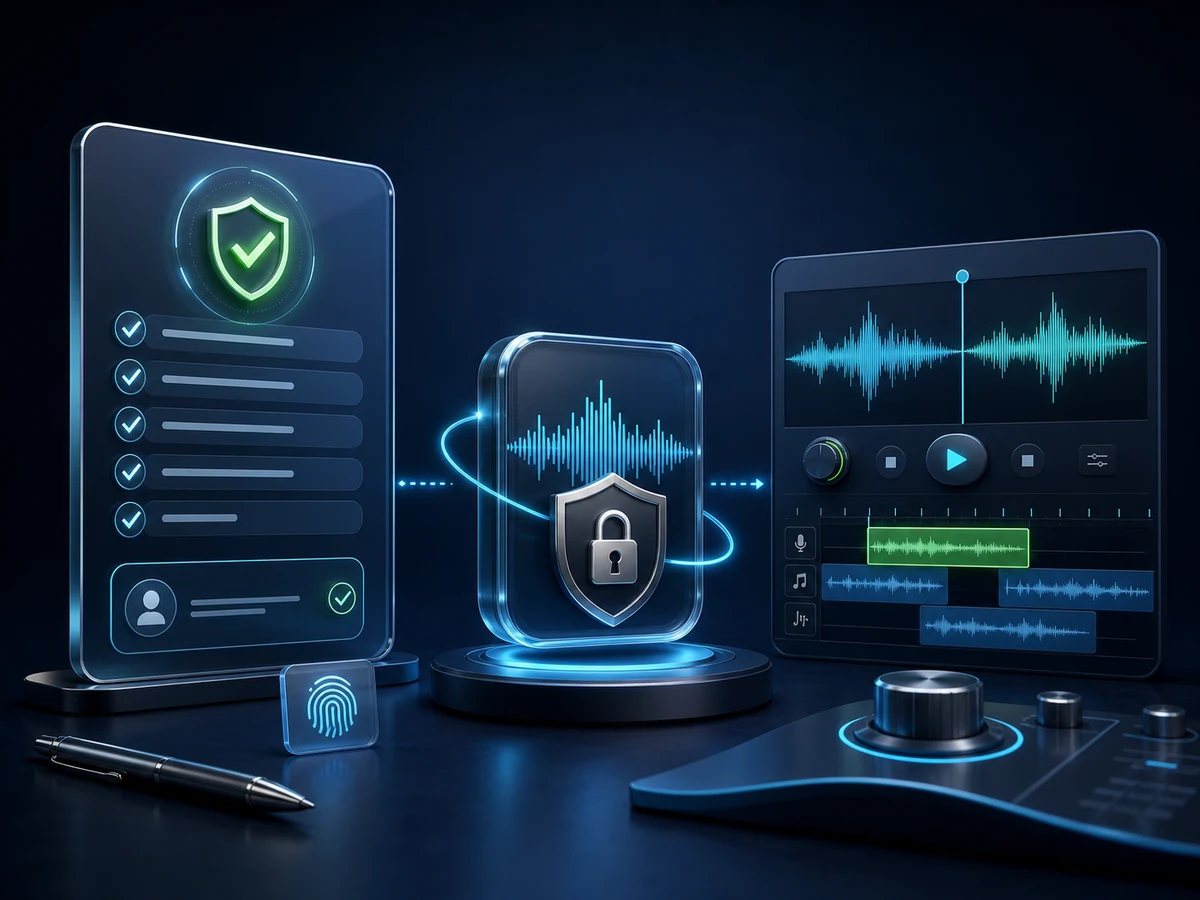
Render controlled takes
Use the saved private model with a new sentence, listen for fit, and download only the approved result.
Why Creators Pick Voice Art for Voice Cloning
Voice Art keeps reference input, consent confirmation, private model creation, speech generation, and approved downloads in one account-based workflow.
Launch voice cloningPrivate model ownership
Build a voice model that stays in your account for future scripts, edits, and project updates.
Rights come first
The creation step stays unavailable until you attest that the speaker is you or that the speaker has authorized this use.
Draft and final render options
Choose the faster model for an early listening pass or the expressive model when reviewing a more polished multilingual take.
Browser recording or upload
Make a fresh reference with the page recorder, or select an existing supported file and let the validator check it before submission.
Source audio to suit the job
Supply MP3, WAV, or M4A speech with little background noise; when no file is ready, capture the reference through the built-in recorder.
Reusable cloned speech takes
Create new lines, export the audio you approve, and come back to the same private voice the next time the project needs an edit.
Cloning a Voice in Four Steps
Permission and source validation come before model creation; writing, listening, and downloading happen only after the private voice is ready.
- 01
Upload cleared source audio
Provide a quiet, natural recording in a supported format and check that the speaker is clearly audible.
- 02
Confirm voice rights
Verify permission for the voice before Voice Art begins building the model.
- 03
Build the private model
Voice Art builds a private voice model that stays bound to your account.
- 04
Generate and export
Type a fresh copy, render a cloned-voice take, give it a listen, and export the audio you approve.
Where Voice Cloning Pays Off
A private voice model is useful when an approved speaker must return across new scripts, channels, and later edits.
Long-form narration clones
Return to the approved narrator model for chapter drafts and targeted corrections after the original recording day.
YouTube and video voiceovers
Replace an outdated sentence or test another opening while preserving the permitted speaker chosen for the video.
Podcasts and intros
Use a host-approved model for recurring segment labels or a small pickup that arrives after the main session.
E-learning and training
Update a changed policy or lesson step with the same authorized instructor model already used in the course.
Ads and marketing
Generate alternate campaign lines with an approved brand speaker while copy and offer details are under review.
Game characters
Test dialogue branches and later script patches with a character voice whose use has been cleared for the project.
Localized dubbing tests
Bring one approved voice identity into localized scripts so the brand or character remains familiar in each market.
Personal access voices
Create private read-aloud audio or messages from your own voice when a familiar speaker is important to the listener.
Voice Cloning for Supported Languages
Generate cloned-voice speech for supported English, Chinese, Japanese, and Korean scripts while keeping the model private to your account.
English
US plus international accents.
Chinese
Mandarin for every register.
Japanese
Pitch-accent that sounds natural.
Korean
Crisp, modern Seoul standard.
Voice Cloning FAQ
Answers about consent, reference audio, supported files, credits, language output, privacy, and sign-in requirements.
How does Voice Art cloning work?
Voice cloning builds a reusable model from a reference recording and uses it to speak new text. Voice Art saves the result as a private model in your account, after you confirm your right to use the supplied voice.
What happens during a Voice Art cloning setup?
Open the voice cloning tab, add reference audio you are cleared to use, clear the consent checkpoint, and create the private model. From there, type a new copy and generate cloned-voice audio in the same production space.
How much sample audio should I prepare?
A short, clean reference does the job best, ideally natural speech at a steady volume with little background noise. The production space spells out the current duration and upload rules before you create the model.
Which files and limits are accepted?
The uploader accepts MP3, WAV, and M4A, and the recorder can capture a reference in supported browsers. Follow the duration and file-size limits displayed beside the input because the server validates both before cloning.
Do I need permission before cloning?
Yes. You can only clone a voice you own or have explicit permission to use. Voice Art puts a consent checkpoint ahead of model creation, and cloning someone else's voice without permission is off limits.
How are credits used for cloning?
Creating a private model and generating speech both use the Voice Art credit system. Review the current balance and cost shown in the cloning workspace, then choose a plan or credit pack if you need more capacity.
Can a clone speak multiple languages?
The current production flow centers on English, Chinese, Japanese, and Korean output, plus multilingual support for projects that need one voice identity to carry across supported languages.
What do the speech quality tiers change?
The faster model is useful for an early check, while the expressive multilingual model is the recommended option for a more polished result. Both choices are presented in the same generation controls.
Can cloned output be published commercially?
Generated audio can be used in your own projects under the Voice Art terms of service, as long as you own or hold the rights to the cloned voice. For client or high-volume work, check the current plan details.
How private are my uploaded samples?
Cloned models are saved in your private account collection rather than listed in the public catalog. You can manage the model from My Voice Models and use it for later authorized scripts.
Is sign-in required for cloning?
Yes. Sign-in is required because model creation uses credits and stores the result in your private collection. Public catalog samples remain available for auditioning before you decide to create a clone.
Build Your Private Voice Identity
Prepare a clean, permitted recording, confirm the voice rights, and create a private model for scripts you are authorized to produce.